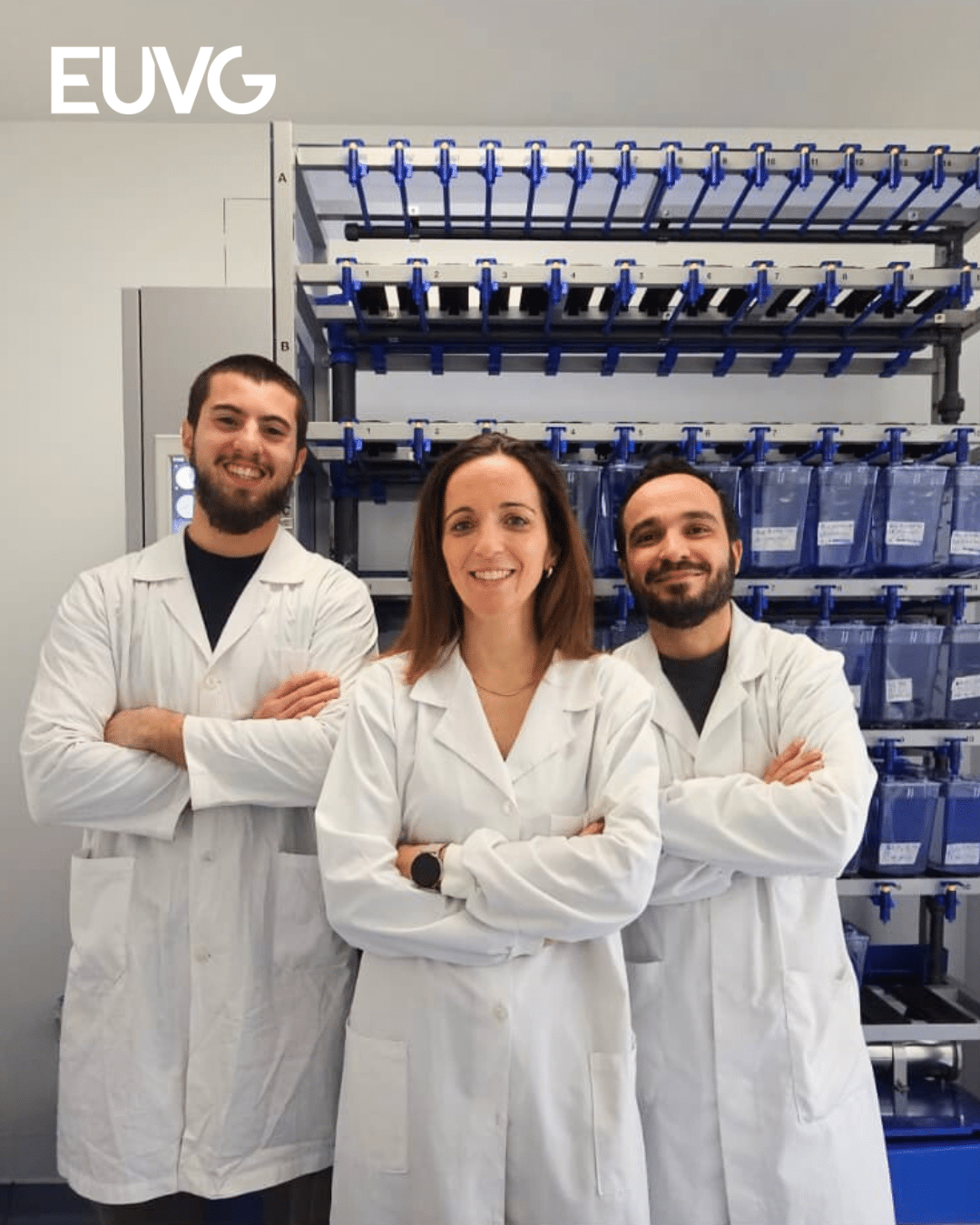
Vasco da Gama Research Centre (CIVG) of the Escola Universitária Vasco da Gama (EUVG) has achieved significant distinction in the highly competitive FAM Grants 2025/26 programme, reflecting the institution’s strong performance in scientific research and innovation.
In this edition of the FAM Grants, two CIVG projects were selected for recognition, highlighting their scientific excellence, technical merit and potential impact in marine, environmental and technological fields.
One of the awarded projects, PLASTIMITOX | Impact of Plastics on Fishery Resources, was named among the Top 5 winners of the 2025/26 edition. According to the official FAM Foundation announcement, the project stood out for its high scientific quality, innovative approach and strategic relevance in addressing contemporary environmental challenges.
Led by EUVG professor and researcher Ana Varela, PLASTIMITOX is a transatlantic scientific initiative developed in collaboration with partners in Portugal and Brazil. The project aims to assess the toxic effects of plastics on fishery resources and marine ecosystems, applying innovative ecotoxicological methods that combine cellular bioenergetics focusing on mitochondrial function with biological models such as zebrafish larvae. By integrating in vitro and in vivo methodologies, the research is expected to generate robust knowledge that supports marine ecosystem protection, food security and evidence‑based environmental policy development.
The second distinguished project, SUSTIMTAVEL | Multitrophic Production Towards More Sustainable Aquaculture, achieved recognition as a Top 10 project in the same programme edition. Directed by CIVG Director Tiago Verdelhos, SUSTIMTAVEL focuses on evaluating and validating sustainable aquaculture production models based on integrated multitrophic systems. This approach promotes circular economy principles, environmental optimisation and economic efficiency, with the goal of developing resilient and sustainable solutions for the aquaculture sector that have meaningful environmental, economic and social impact.
Together, these achievements underscore CIVG’s ongoing commitment to applied research that addresses real societal challenges, particularly in the areas of oceans, environment and sustainability, and contribute significantly to advancing scientific knowledge in Portugal.