The number of domestic cats has been steadily increasing over the last few years, now greatly exceeding the pet dog population in many households.Feline Medicine has therefore become essential for the health and well being of cats, which often present symptoms and clinical characteristics that differ significantly from those of dogs.Early detection of conditions such as diabetes, hypertension, and renal disease can be the key to successful treatment and the patient’s overall longevity.
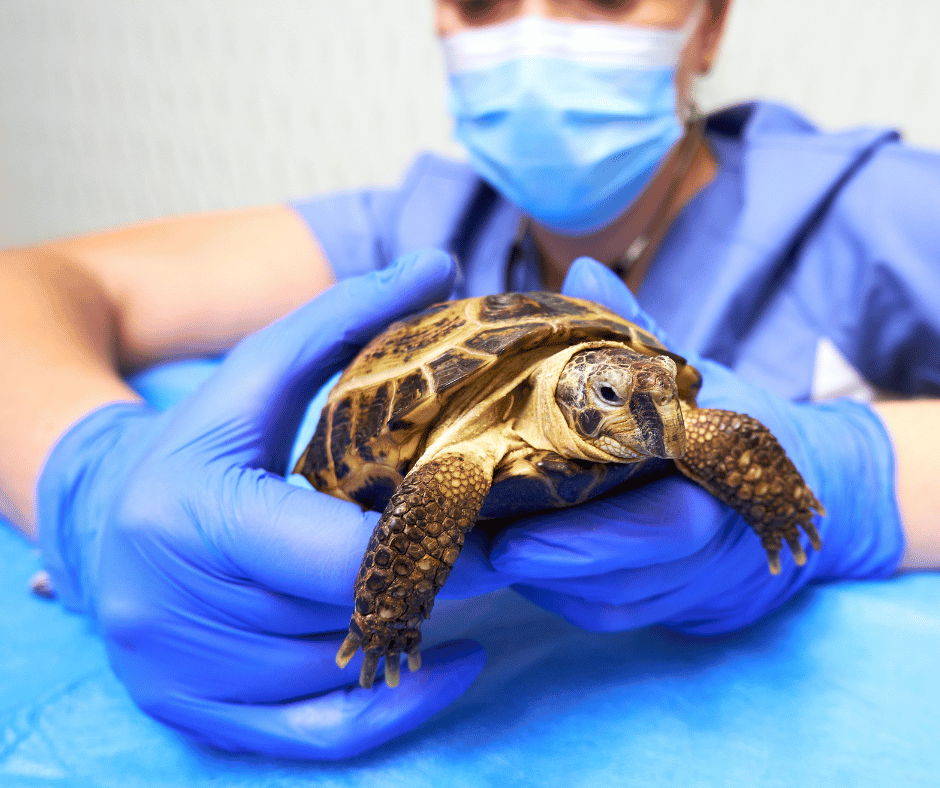
Exotic Animal Health and Medicine is one of the fastest-growing areas in modern veterinary practice. As the number of households with non-conventional pets continues to rise, pet guardians are actively searching for higher quality care—making advanced training essential to elevate your clinical confidence, stand out in a competitive market, and meet the high standards of care these species demand.
This fully online postgraduate course provides advanced training in the clinical management, diagnosis, and treatment of small mammals, birds, reptiles, amphibians, invertebrates, and ornamental fish. Taught by internationally recognised specialists with extensive academic and clinical experience, the programme delivers cutting-edge knowledge designed for immediate application in your daily practice.
With 80 hours of high-impact learning—combining live interactive masterclasses and flexible on-demand content—this course fits seamlessly into your work schedule while positioning you at the forefront of exotic animal medicine.
The Postgraduate Program in Small Animals Internal Medicine at Vasco da Gama University provides graduate professionals with advanced training in the development of specific theoretical and practical skills in the field of Internal Medicine for companion animals.
This Lifelong Continuing Education (FCLV) programme allows for the improvement of clinical practice in Internal Medicine for companion animals and its updates.
This training process benefits from a methodical approach that is directed and complementary to clinical practice.
Postgraduate program mainly taught in Portugues. For more information, click the LEARN MORE button.
Wildlife conservation operates at an epicenter where human, animal, and environmental health converge, giving it special relevance in safeguarding global health, animal welfare, and human well-being. This course aims to prepare wildlife professionals to operate at this nexus with knowledge, skills, and ethical responsibility. Through a multidisciplinary lens, the course equips participants—primarily veterinarians—with a deep understanding of wildlife health, ecosystem dynamics, and the interconnectedness championed by the One Health approach. Graduates will be capable of contributing meaningfully to conservation initiatives, responding to emerging health threats, and promoting sustainable coexistence between humans and wildlife.